

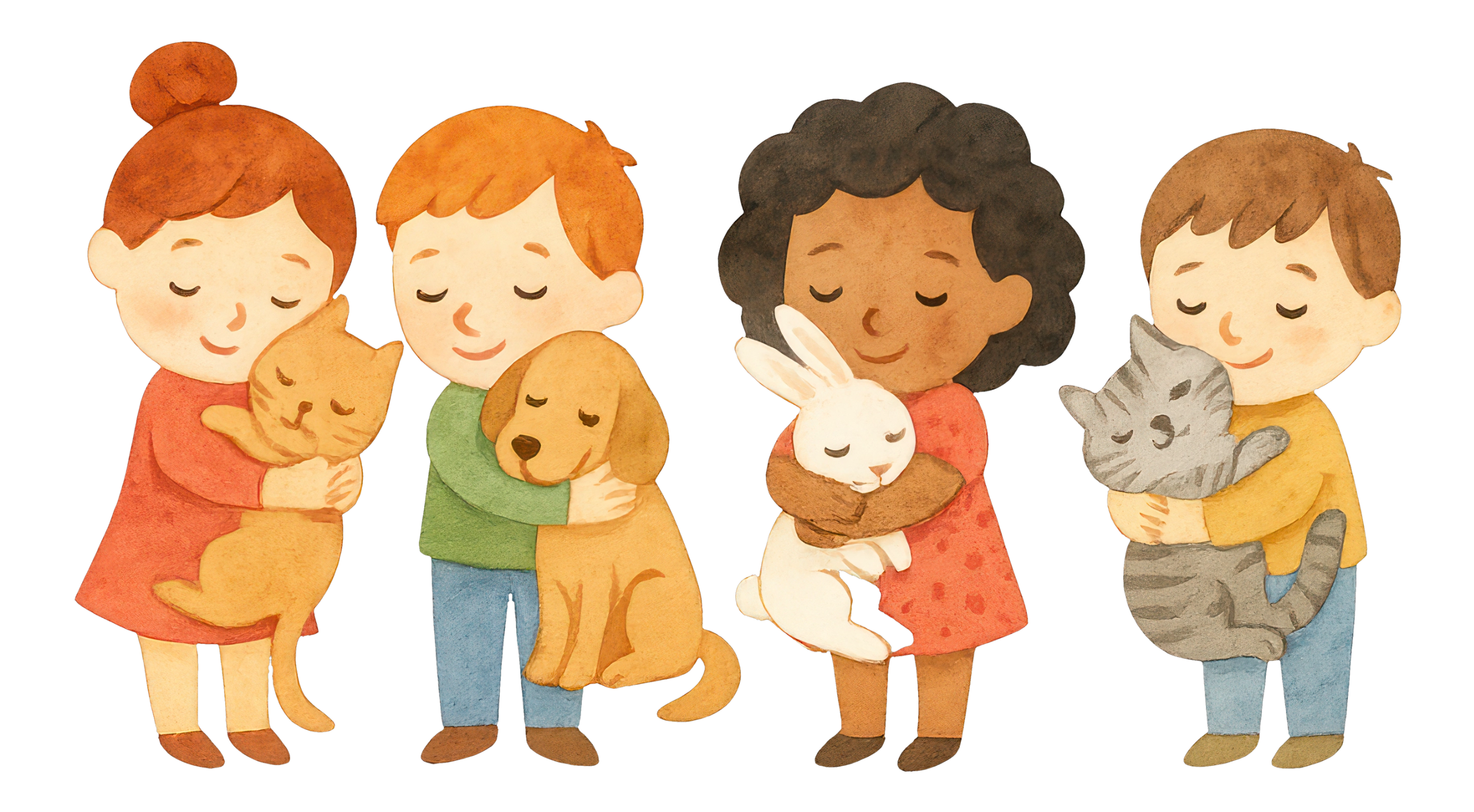
Have you ever stopped mid-sentence while talking to your child about body safety, suddenly unsure if what you were saying was actually helpful, or if it was just the thing you’d always heard?
I have. And the more I’ve learned, the more I’ve realized that the way most of us were taught to talk about touch with kids is not only incomplete, in some ways, it’s leaving them more vulnerable.
90% of the time that a child is harmed, it is by someone they know and trust. Someone in their world. Someone at their dinner table, on their team, in their classroom.
We have spent decades teaching children to think about touch in binaries- good vs bad, safe vs unsafe, ok vs not ok. And while we’ve been doing that, we’ve also, without meaning to, failed to give them the actual language they need to recognize when something is wrong.
That’s what I want to talk about today, because this is the foundation of the next workshop I’m building, and I need you to understand why it matters before you watch it.
The Framework That Changed Everything
In 1977, a prevention specialist based in Minnesota named Cordelia Anderson introduced something called the Touch Continuum to sexual abuse prevention programs. It was a quiet revolution in how we think about teaching children body safety, but sadly, most parents have never heard of it.
The Touch Continuum doesn’t do what most body safety education does. It doesn’t sort touch into two neat piles, good and bad, safe and unsafe, okay and not okay.
Instead, it teaches children to tune in to how a touch makes them feel and to understand that the same type of touch can mean something completely different depending on context, intent, and the internal response it elicits.
Anderson’s framework has been used in prevention education for nearly five decades for a reason. It works. And it’s the foundation of the workshop I’m currently developing here at CONSENTparenting.
Before I walk you through how the continuum works in practice, I need to make the case for why we can’t skip this conversation entirely.
It’s Not Just About What Unsafe Touch Means
Right now, we are living in a culture of extreme touch aversion. Educators debate whether they should ever initiate physical contact with a child. Coaches operate under blanket no-touch policies. Extended family members second-guess whether a hug is appropriate. Everyone is so afraid of doing something wrong that the default has become: hands off, always.
And I understand that instinct. I really do. But researcher Cherie Ben Joseph of the Center for Child Counseling pushes back hard on this approach, and the clinical data behind her work is staggering.
Physical nurturing is not a feel-good bonus for children. It is a biological requirement.
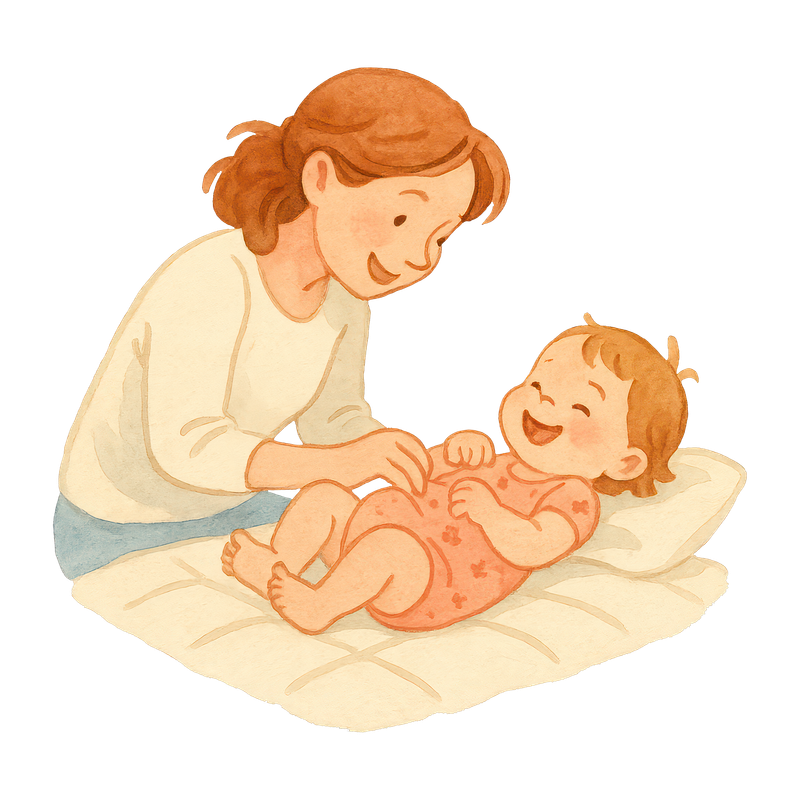
Ben Joseph points to historical studies on understaffed orphanages where infants received food and shelter but were rarely held or cuddled. Those children developed what is clinically termed failure to thrive, and I want to be clear about what that means. It is not sadness. It is not emotional difficulty. It is a full neurological crisis. When an infant is deprived of skin-to-skin contact, their brain interprets that absence as a threat to survival. The body floods with cortisol. Physical growth halts. The neural pathways required for emotional regulation and secure attachment literally stop developing.
The absence of touch causes permanent damage. That is the science.
So here is the paradox we have built for ourselves. Society is demanding that adults withhold touch to reduce risk, while biology is screaming that the absence of touch causes the very harm we are trying to prevent. It is, as Ben Joseph describes it, a bit like deciding that because water can cause drowning, children shouldn’t be allowed to drink it.
When children don’t receive healthy, modeled, appropriate touch, they have no baseline. They don’t know what safe feels like. And children who don’t know what safe feels like are exponentially more vulnerable to the people who would exploit that hunger.

Teaching the Language of Touch
So how do we actually do this? If biology demands touch but we are terrified of it, how do we give children a real framework without overwhelming them?
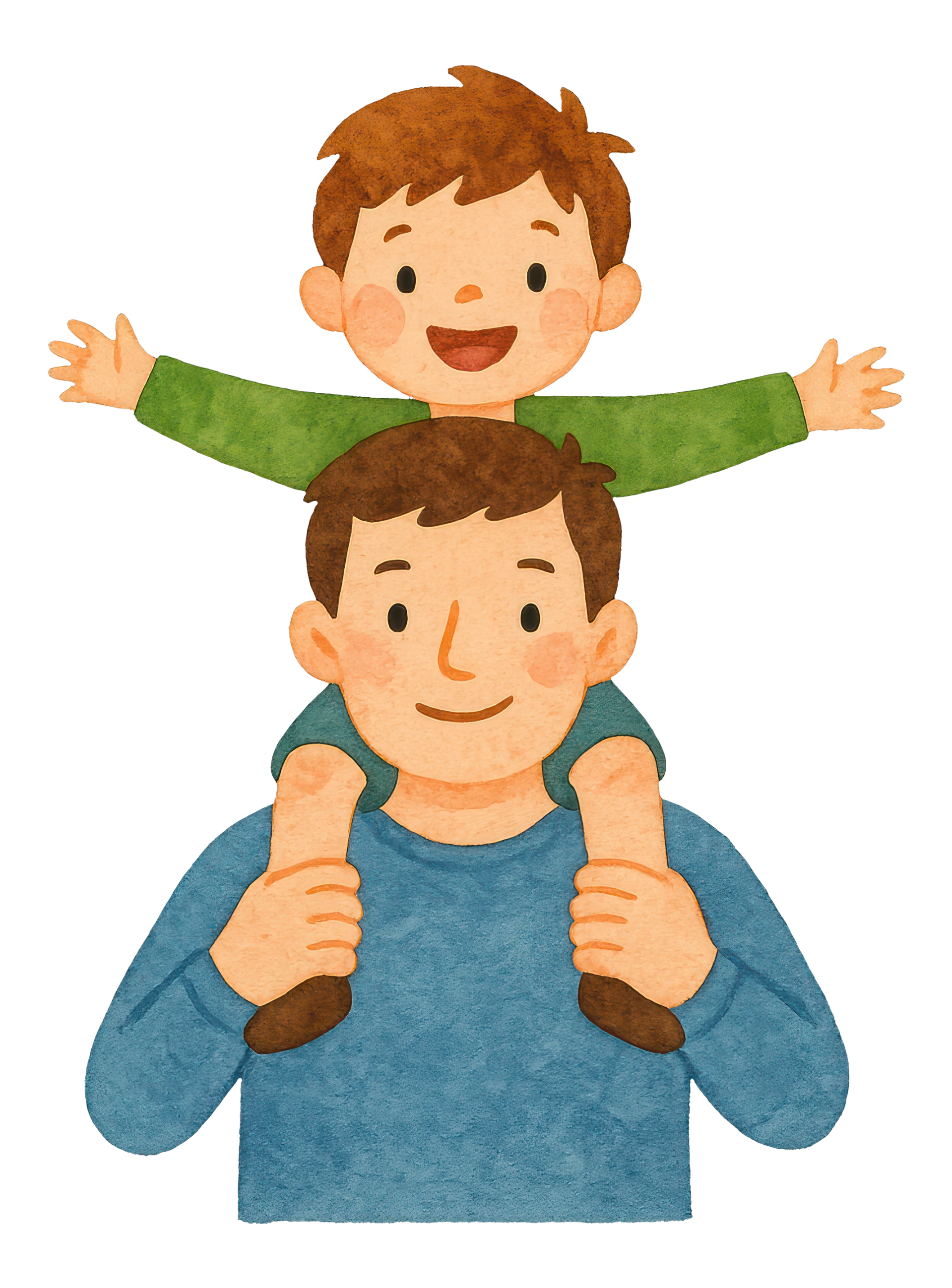
Ben Joseph’s answer is to start with internal feelings rather than external actions. Safe touches, she explains, are those that make a child feel comfortable, loved, relaxed, protected, happy, or warm. Holding hands walking into a movie. A welcome hug from a grandparent. A high five from a teammate after a good play.
Unsafe touches are defined by the internal alarm they trigger: discomfort, confusion, fear, embarrassment, that squirmy “something is wrong” feeling.
She suggests turning this into a daily practice, something as simple as a dinner table game called “safe and unsafe touches I had today.”
You ask your child to categorize moments from their day. I hugged Grandma: safe touch. My brother pinched my arm, and it really hurt: unsafe touch.
It sounds almost too simple, but what you are doing is building a muscle. You are teaching your child to run a daily internal audit of their physical experiences, so that naming those feelings becomes second nature.
When I first encountered this, I had the same instinct you might be having right now. Isn’t an unsafe touch usually obvious?
If a child gets shoved on the playground, they cry.
Pain is a loud, clear signal.
Why do we need to teach kids to identify feelings of confusion or embarrassment?
Because of that 90%.
When a child is harmed by the trusted coach, the favorite uncle, the family friend, the touch rarely starts with physical pain.
The primary feeling a child experiences in those early stages is confusion. Betrayal. That weird, squirmy discomfort. Their brain is caught in a loop: this adult is telling me this is affection, but something feels deeply wrong. If we have only taught them that unsafe equals physical pain, they have no framework to process that weird feeling. They will stay silent, because they don’t think a confusing touch counts as something worth reporting.
Ben Joseph is also clear that children need a named circle of safe adults. Not just “trusted adults,” because many children have been harmed by adults they trusted. Safe adults are specific, identified people the child knows they can go to when something feels off, no matter what that something is.
Where the Touch Continuum Takes It Further
The safe-versus-unsafe framework is a beautiful starting point, especially for young children. But as kids get older, the world gets more complicated, and a binary simply starts to fail them.
Think about the fact that if your child came home and said that the coach gave them an unsafe touch during their game, your heart would drop. But that interaction requires a much more nuanced tool to unpack than “safe or unsafe.”
This is exactly where Cordelia Anderson’s Touch Continuum becomes so powerful, and why it’s the framework anchoring my upcoming workshop.
Rather than two categories, the continuum gives children a full spectrum.
Comforting and soothing.
Taking care of.
Playful.
Accidental.
Neutral.
Confusing.
Harmful or hurtful.
Violent.
And critically: no touch as its own distinct category.
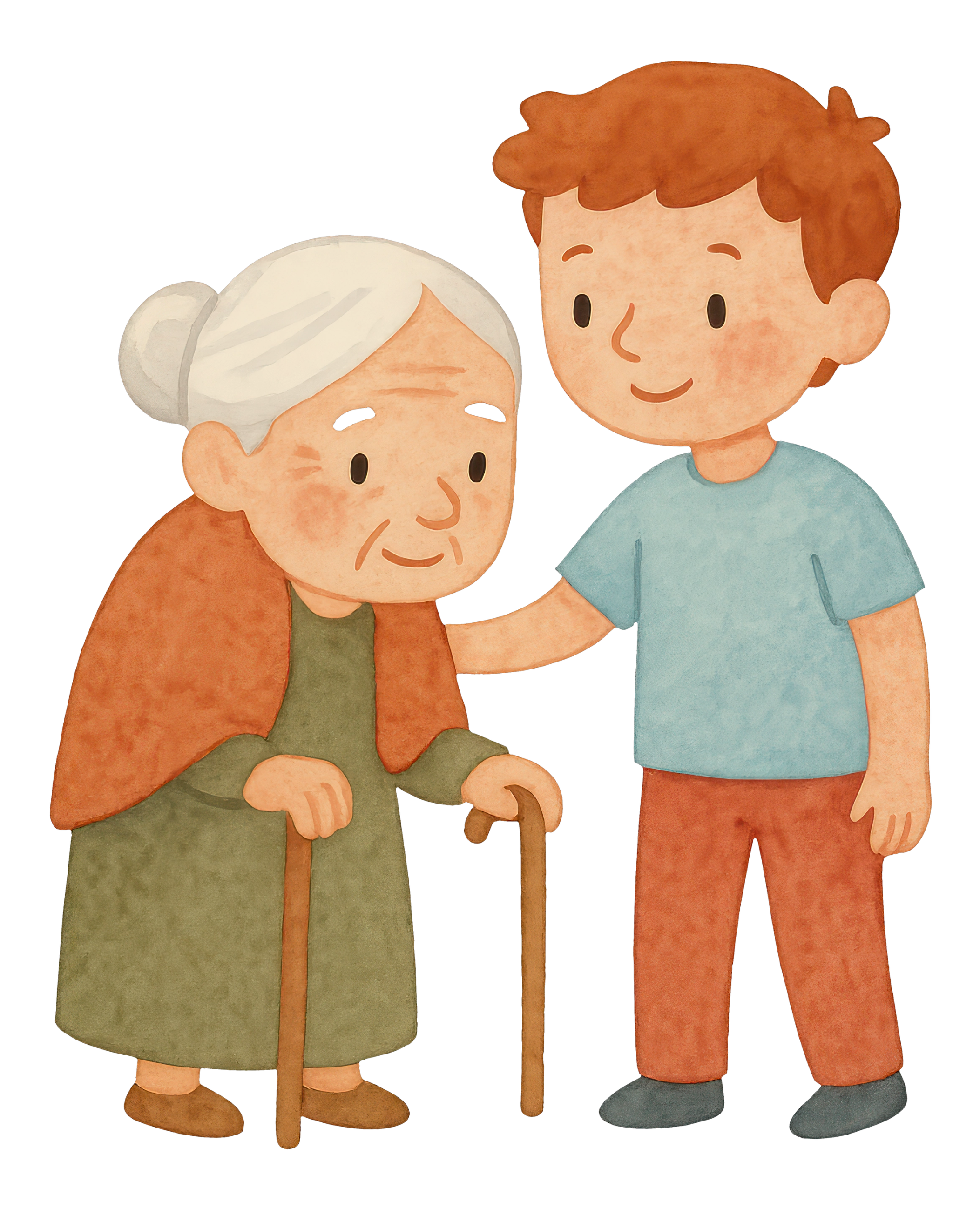
The way this works in a workshop setting is intentionally active. Rather than being lectured to, children are given specific scenarios and asked to place them along the continuum themselves. Where does a rough game of tag belong? What about a stinging antiseptic on a scraped knee? Bumping shoulders with someone in a crowded hallway? An injection from a pediatrician?
That last one is the one that makes kids argue, and that argument is the entire point. Because through that debate, a child learns something profound: the doctor’s exam might feel uncomfortable or painful, but it belongs in the “taking care of” category, not the “harmful” category.
They are learning to separate physical sensation from intent. Context matters. A shove on the playground is hurtful. Bumping into someone in the hallway is accidental. This distinction removes the panic from ambiguous moments, and it gives children vocabulary for the gray areas of life, which is where most of the danger actually lives.

The No Touch Category, and Why It Matters
One of the most quietly devastating parts of the Touch Continuum is what happens when children encounter the “no touch” category.
In workshop settings, children often place it at the very far end of the continuum, past harmful, past violent. Because to a child, the total absence of connection can feel worse than a painful connection. We are right back to those orphanages.
This is not an abstract concern. Children who are touch-starved because their environment is either too risk-averse or neglectful are significantly more vulnerable to abuse. An abuser’s radar is finely tuned to find that hunger. When a child is desperate for physical connection, any touch feels like a lifeline, and they won’t question it.
For some children who are sensory seeking, touch is critical! They crave physical contact more than non-sensory-seeking children. They love to touch everything and everyone around them. They love rough-and-tumble play. They seek out textures and fidget with objects, maybe chew on things. They need more touch stimulation to feel regulated.
The biological relief of finally being noticed and held completely overrides their internal alarm system. Predators know this. They count on it.
This is why the fortress mentality, limited touch, the zero-touch, eliminate-all-ambiguity approach, is not keeping children safer. It may be doing the opposite.
Names Matter. Words Matter.
One more thing the Touch Continuum addresses, and it is non-negotiable in my work: anatomical language.
Adults must use correct anatomical terms with children. Not nicknames. Not “privates.” Vagina, penis, breast, vulva, butt. I know that makes a lot of parents uncomfortable, and I want to explain why it matters so much.
Abusers operate in shame and secrecy. When we give a body part a silly nickname, we are implicitly telling a child that the real word is shameful or dirty. And shame is one of the primary tools an abuser uses to keep a child quiet.
If a child can say “elbow” without flinching, they need to be able to say “penis” or “vulva” with that same neutral, matter-of-fact tone.
Correct vocabulary literally strips away the secrecy that an offender depends on. It turns the lights on.
Teaching Adults and Calling Out Inappropriate Touch
Teaching your child the language of touch is essential. But our responsibility as adults doesn’t end there.
We also have to be willing to have the hard conversations with each other. With the coach who thinks roughhousing with kids is just his personality. With the volunteer who always seems to need one-on-one time with a particular child. With the caregiver whose physical affection with kids feels just a little off but nothing you could quite name.
The Touch Continuum isn’t just a tool for children. It’s a framework adults need to understand too, especially those working with kids in organized settings like sports, schools, churches and medical or therapeutic environments. What does appropriate touch look like for a coach? For a pediatrician? For a Sunday school teacher? For a camp counselor? These are conversations our communities are not having nearly enough, and the silence is not protecting anyone.
Understanding the spectrum, from comforting and appropriate all the way to harmful, gives us the language to name what we’re seeing when something feels off with another adult. And when we have that language, we can use it. With each other. Directly. Before it becomes something worse.
The Question I Keep Coming Back To
Here is what I want to leave you with today.
We started in a place of fear. The fear of saying the wrong thing, teaching the wrong concept, creating confusion where we intended clarity. And that fear has pushed our culture toward a hands-off, set-strict-boundaries approach that we have told ourselves is the safe option.
But when you look at what the research actually tells us, the neurological reality of touch deprivation, the way predators specifically target children starved of connection, the fact that 90% of harm comes from people already inside a child’s world, a deeply uncomfortable question emerges.
If we become so paralyzed by the fear of an inappropriate interaction that we stop providing comforting, warm, affirming physical touch to children altogether, are we inadvertently creating a generation that is more vulnerable to the exact harm we are trying so desperately to prevent?
It really does make you look at a simple hug differently.
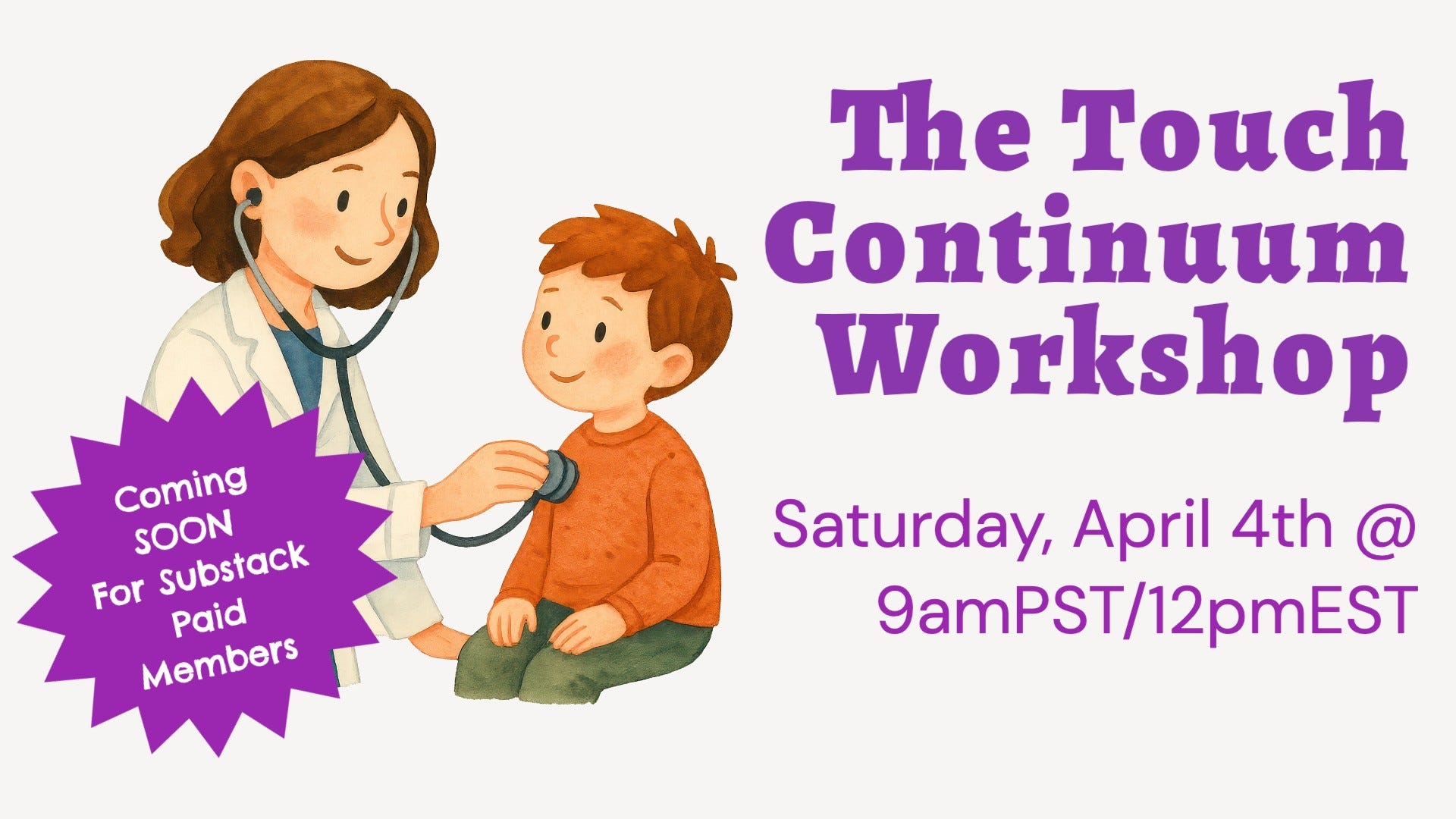
My upcoming workshop, The Touch Continuum, is based on Cordelia Anderson’s framework and is designed to give you practical tools to have these conversations with your children at every age. Because this work belongs to us, the adults. Not to the kids.
It is our job to learn the language first, so they never have to navigate it alone.
More details on the workshop are coming soon (March 29th and only available here on Substack).
In the meantime, start with the dinner table game. Ask your child about their day in the language of touch. Notice what they say. Notice what they don’t.
That small practice is where everything begins.