
Windowless + Soundproof Room
The Sacramento School Case: A Perfect Storm of Access, Privacy, and Control

This week, I shared a reel on Instagram about the importance of visibility in school design - specifically about classroom doors having windows and proper bathroom supervision. Little did I know that within days, a heartbreaking story would emerge from Sacramento that underscores exactly why these design principles can be the difference between safety and tragedy.
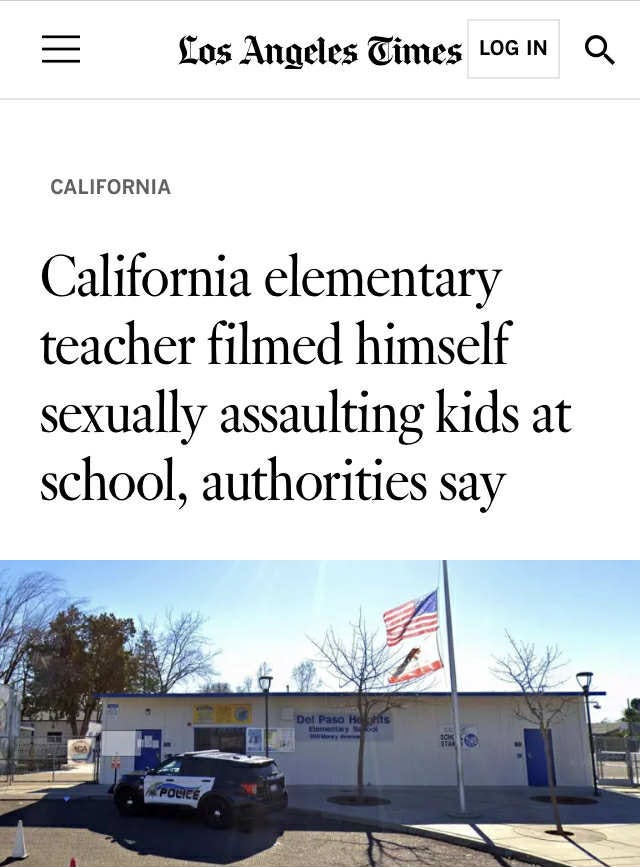
The Sacramento School Case: A Perfect Storm of Access, Privacy, and Control
A 64-year-old former teacher at Del Paso Heights Elementary School, Kim Kenneth Wilson, was just sentenced to 215 years to life in prison for sexually assaulting multiple female students.
Wilson founded a broadcasting club at the school that had its own windowless, soundproof room - the very location where most of his crimes took place over several years.
This case represents a textbook example of what safety experts call the "Access, Privacy, and Control" framework - the three elements that create opportunities for abuse to occur unchecked.
Why Visibility Matters: Connecting the Dots
In my recent Instagram reel, I discussed how classroom doors should have windows with clear sight lines, and how some people worry this conflicts with school shooting safety protocols.
But here's the crucial point I made: you can have both safety measures with proper planning. A simple blind that can be pulled down during emergencies addresses lockdown concerns while maintaining the visibility that prevents abuse.
And please note, that with a recent shooting occurring, this may feel like a ‘too-simplistic’ solution to shootings- which require more safety protocols as well (like bullet proof glass windows- but may have argued that it’s a lot to ask when teachers can barely get the basic resources they need).
I agree, a lot more needs to be done, more funding is needed for these things- AND we’re looking at funding cuts already undermining many needs, particularly in the United States.
But my case still stands that schools need to review their own policies and school design yearly to ensure that they are not creating the situations where abuse can happen or thrive.
The Sacramento case illustrates exactly what happens when this principle is ignored. Wilson took children to his private broadcasting room - described as "windowless" and "soundproof" - where he committed sex acts on them, often recording or photographing the assaults.
According to the Praesidium 2025 Report, which analyzes thousands of abuse incidents, design matters more than we might think.
The research shows that incidents in classrooms have risen by more than 250% for adult-to-youth cases and 450% for youth-to-youth incidents as organizations have improved supervision in traditional "hot spots" like bathrooms - meaning predators adapt to exploit whatever spaces lack proper oversight.

The Questions Every Parent Should Be Asking
This tragedy reinforces why the questions I outlined in my reel are so essential. Parents need to be asking their schools:
About Physical Spaces:
Are there any rooms in the school that lack windows or clear sight lines?
What is the policy for one-on-one interactions between adults and students?
How are private spaces like music practice rooms, counseling offices, or special program rooms supervised?
About Bathroom Safety:
What are your bathroom policies and supervision procedures?
Are there cameras in hallways leading to bathrooms to monitor who enters and exits?
How do you supervise or prevent students from entering student bathrooms during recess when unsupervised? Or what safety measures are used during recess for bathroom safety to reduce the risk of peer-on-peer abuse?
About Overall Supervision:
How do you ensure visibility of adult-child interactions throughout the day?
What training do staff receive about recognizing and preventing inappropriate behavior?
Are there clear protocols for reporting concerns?
The Research Behind the Recommendations
The Moore Centre's research on preventing child sexual abuse in youth-serving organizations is clear: "spaces designed to increase the observability of adult-children interactions can enhance child safety by reducing the likelihood of abusive behaviors."
They specifically recommend using glass panels in office walls and doors, ensuring interactions are observable by other adults, and creating regulations that enhance visibility when direct sight lines aren't possible.
The data shows this isn't just theory - it's prevention in action. Recent Praesidium analysis of over 3,000 incidents found that "classrooms, childcare, or other program areas" are now among the top three locations for adult-to-youth incidents, with "general negligence" and "negligent supervision" ranking as the top institutional faults.
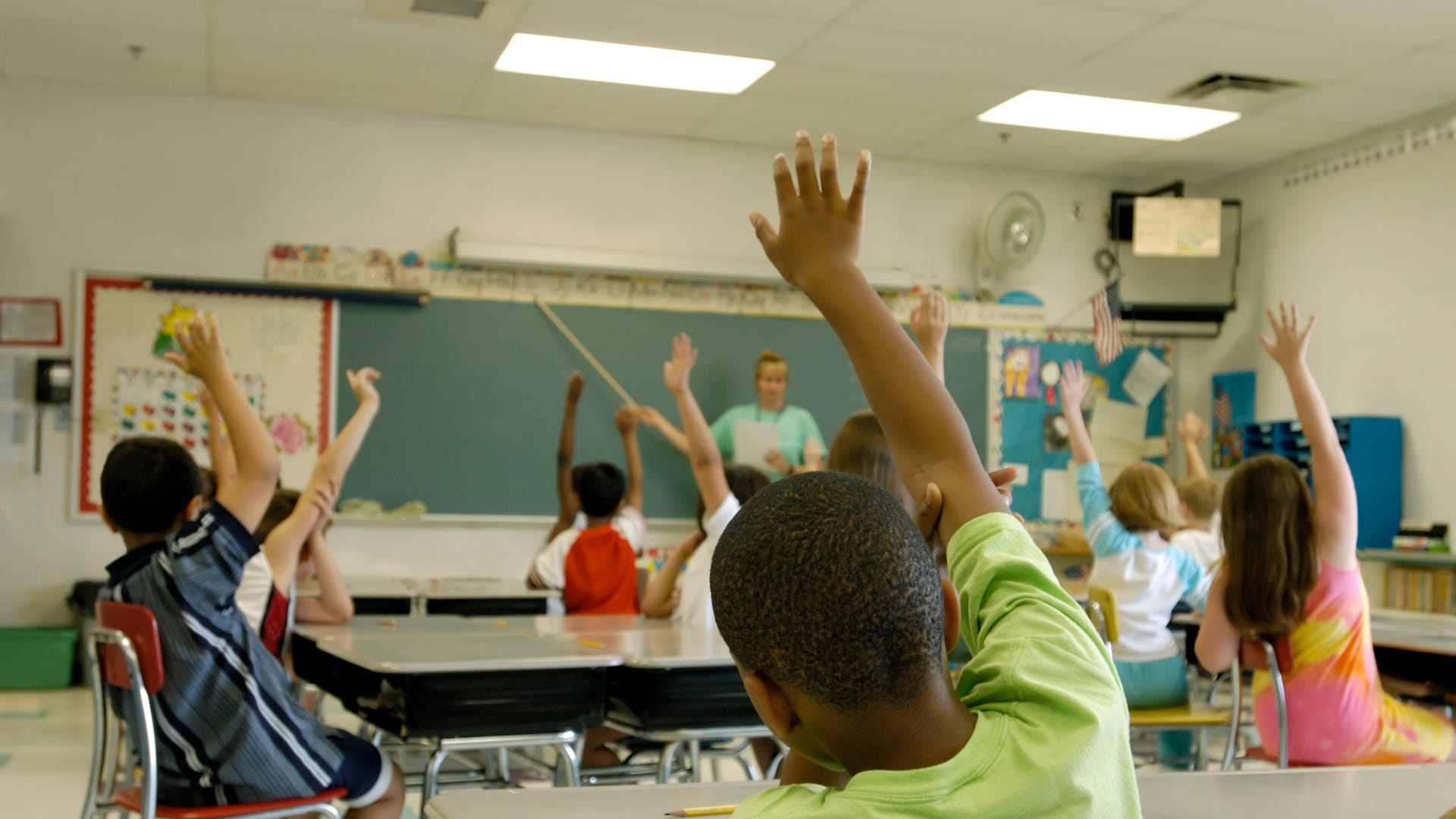
The Nuance Matters
As I emphasized in my reel, these conversations require nuance.
We're not advocating for eliminating all privacy or creating an oppressive surveillance environment.
We're advocating for thoughtful design that balances safety with dignity - windows that can be covered during emergencies, camera monitoring of hallway entrances (not inside bathrooms), and supervision protocols that protect without infantilizing.
The Sacramento case involved civil lawsuits totaling over $6 million, with complaints alleging that "the school district knew, or should have known, about Wilson's sexual abuse of multiple young students and failed to protect their safety."
This highlights that schools have both moral and legal obligations to implement proper safeguards.
Moving Forward: What You Can Do
Start the conversation - Share this information with other parents in your school community
Schedule a meeting - Request time with your school's administration to discuss these safety measures (or ask your PTA/PAC to ask and get answers)
Ask the tough questions - Use the list above as your starting point
Document responses - Keep records of what policies are (or aren't) in place
Advocate for change - If your school lacks proper visibility and supervision protocols, push for improvements
The Bottom Line
The Sacramento case reminds us that predators don't announce themselves - they often appear as trusted, respected members of the school community.
Wilson was described as a "favorite teacher" among students and parents, who founded the very program he used to access and abuse children.
Our children's safety depends not only on identifying bad actors in advance, but on creating systems and environments that make abuse difficult, detectable, and preventable.
Every windowless room, every unsupervised interaction, every gap in oversight represents a potential opportunity for harm. But every window installed, every sight line preserved, and every supervision protocol implemented represents a chance to protect a child.
The questions in my reel aren't just suggestions - they're necessities. And this week's tragic news from Sacramento shows us exactly why.
Keep advocating, keep asking questions, and keep your kids safer.
What questions will you be asking your school this week? Reply and let me know - I'd love to hear about the conversations you're having and the changes you're seeing in your communities.
P.S. In case you didn’t know, I partnered with my colleague Kimberly King to bring you the "Back to School Body Safety" Masterclass
We recorded this class last August and are making it available again this August (but only until August 31st!)
This class is NOT about becoming "that parent" who's difficult to work with.
This is about becoming the parent who knows exactly what questions to ask, how to build genuine partnerships with teachers, and what red flags to watch for - all while giving your child the freedom to thrive at school.
Here's What You'll Learn:
• The body safety refresh you should review with your child before school starts (and why it matters)
• The myths that adults (both parents and educators) believe that make it harder to keep kids safe
• How to engage with teachers as true partners through 6 simple steps
• 10 essential questions every parent should ask their teacher (and what answers you should expect)
• What to watch for between peers AND from adults
Here's What You Get:
• Lifetime access to our 60-minute live class plus 30-minute Q&A
• PDF resources and scripts for communicating with teachers
• A BONUS 60 min. recording of a call I did with Rahel Bayar, former sex crimes and child abuse prosecutor, to talk about school prevention policies.
Please know, however, that this is the last time I'm offering this bundle as a standalone offering.
After August 31st, it will only be available through my new CONSENTcollective™ launching in October (more on that will be shared soon).
If you want to start this school year feeling confident instead of worried, equipped instead of anxious, this is your moment.
You can't protect your child from every risk.
But you can absolutely prepare them - and their school - to handle whatever comes their way.